Sustainability is no longer a distant goal — it is a daily business decision. Across South Africa, manufacturers are under growing pressure to rethink how their products are packaged, transported, and ultimately disposed of. Rising consumer awareness, stricter regulations, and increasing costs associated with waste management are all pushing businesses towards smarter, greener choices.
At Welpac, we’ve spent decades helping businesses navigate evolving packaging needs. Since 1988, we’ve worked closely with industries across manufacturing, retail, logistics, and agriculture — not just supplying materials, but guiding companies towards practical, efficient, and increasingly sustainable packaging solutions.
In this guide, we explore the most effective sustainable packaging options available to South African manufacturers today — focusing on real-world application, cost considerations, and long-term environmental impact.
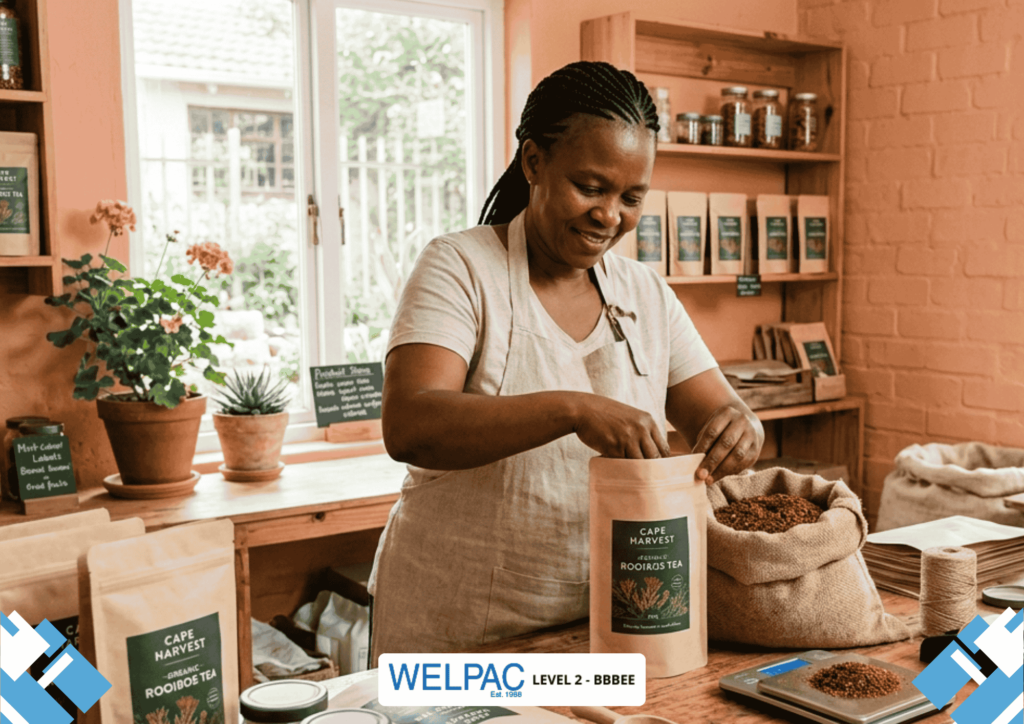
Why Sustainable Packaging Matters Now More Than Ever
The shift towards sustainable practices is not just about compliance — it’s about long-term resilience. Traditional packaging methods, especially those relying heavily on plastic packaging and single-use plastics, contribute significantly to landfill overflow, pollution, and long-term environmental damage.
Businesses that actively work to reduce their environmental impact are better positioned to:
- Meet evolving environmental goals
- Align with consumer expectations
- Improve supply chain efficiency
- Lower their carbon footprint
- Contribute to a circular economy
Sustainability is not just a trend — it’s becoming a baseline expectation across Southern Africa and beyond.
Understanding Sustainable Packaging
Sustainable packaging refers to packaging made using environmentally responsible methods and materials throughout its lifecycle — from raw material sourcing to disposal.
This includes packaging that is:
- Recyclable
- Reusable
- Compostable
- Biodegradable
- Made from recycled materials
- Designed to minimise packaging waste
A well-designed packaging solution balances durability, cost-efficiency, and minimal impact on the environment.
Key Sustainable Packaging Options for Manufacturers
1. Recyclable Materials
One of the most accessible entry points into sustainability is using recyclable materials. These materials can be collected, processed, and reused — reducing the need for new packaging manufacturing.
Common examples include:
- Corrugated cardboard and kraft paper
- Certain rigid plastic containers
- Glass and metal packaging
Recyclable packaging products are widely accepted in South Africa’s recycling streams, making them a practical and scalable option.
2. Biodegradable and Compostable Alternatives
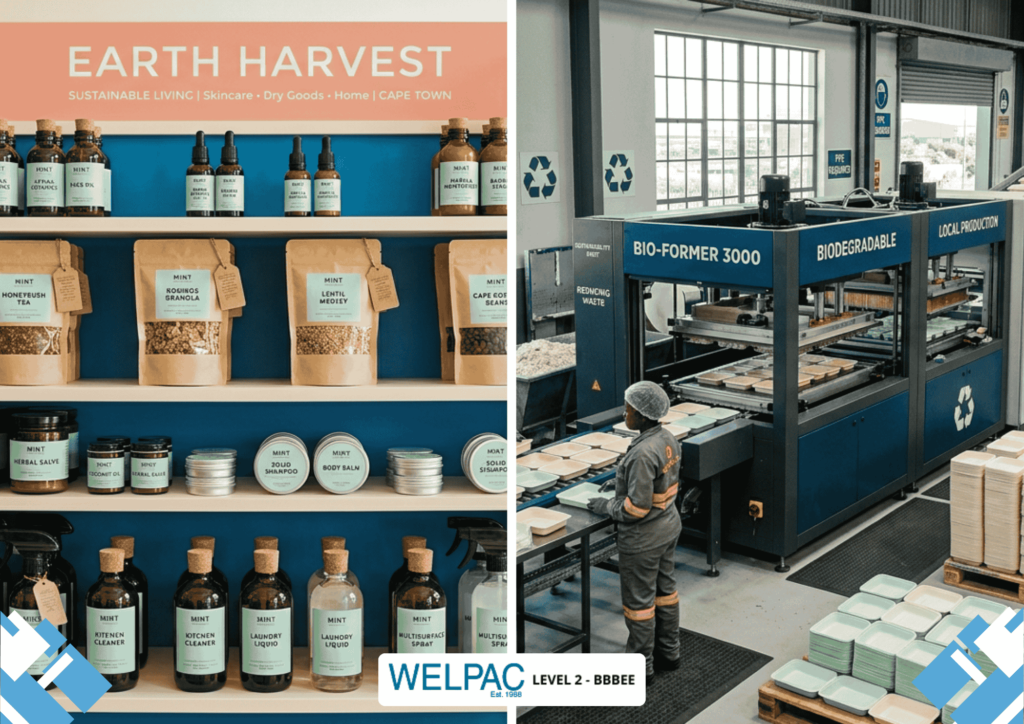
Biodegradable packaging breaks down naturally over time, while compostable packaging goes a step further by decomposing into nutrient-rich compost under the right conditions.
Examples include:
- Bagasse (a sugarcane byproduct)
- PLA (plant-based bioplastic)
- Compostable materials for food packaging and cutlery
These are especially valuable for businesses in the food packaging sector, where waste volumes are high, and food safety remains critical.
3. Reusable Packaging Systems
Reusable packaging is designed for multiple use cycles, reducing the need for constant replacement.
Examples include:
- Durable plastic crates
- Returnable pallets
- Reusable bags and containers
This approach not only reduces packaging waste but also lowers long-term costs when implemented effectively.
4. Eco-Friendly Packaging Materials
Eco-friendly packaging materials are sourced and produced with minimal environmental harm. This includes renewable resources and responsibly sourced inputs.
Examples include:
- Kraft paper packaging made from sustainably managed forests
- Paper-based alternatives to styrofoam
- Packaging made with recycled materials
These eco-friendly packaging solutions are ideal for businesses aiming to reduce environmental impact without compromising performance.
5. Sustainable Food Packaging Innovations
The food sector is seeing rapid innovation in sustainable food packaging. Moving away from traditional food packaging, manufacturers are adopting:
- Compostable takeaway containers
- Biodegradable packaging for perishables
- Greener alternatives to plastic waste-heavy systems
These innovations are helping businesses move towards sustainable operations while maintaining hygiene and food safety standards.
Practical Checklist: Choosing the Right Sustainable Packaging
When selecting new packaging options, manufacturers should consider the following:
Operational Fit
- Does the packaging meet your product’s protection requirements?
- Can it integrate seamlessly into your existing supply chain?
Environmental Impact
- Is it recyclable, compostable, or reusable?
- Does it reduce your overall carbon footprint?
Cost Efficiency
- What is the total lifecycle cost?
- Will it reduce waste management expenses?
Compliance & Responsibility
- Does it align with local regulations and producer responsibility requirements?
- Can it support your organisation’s sustainability goals?
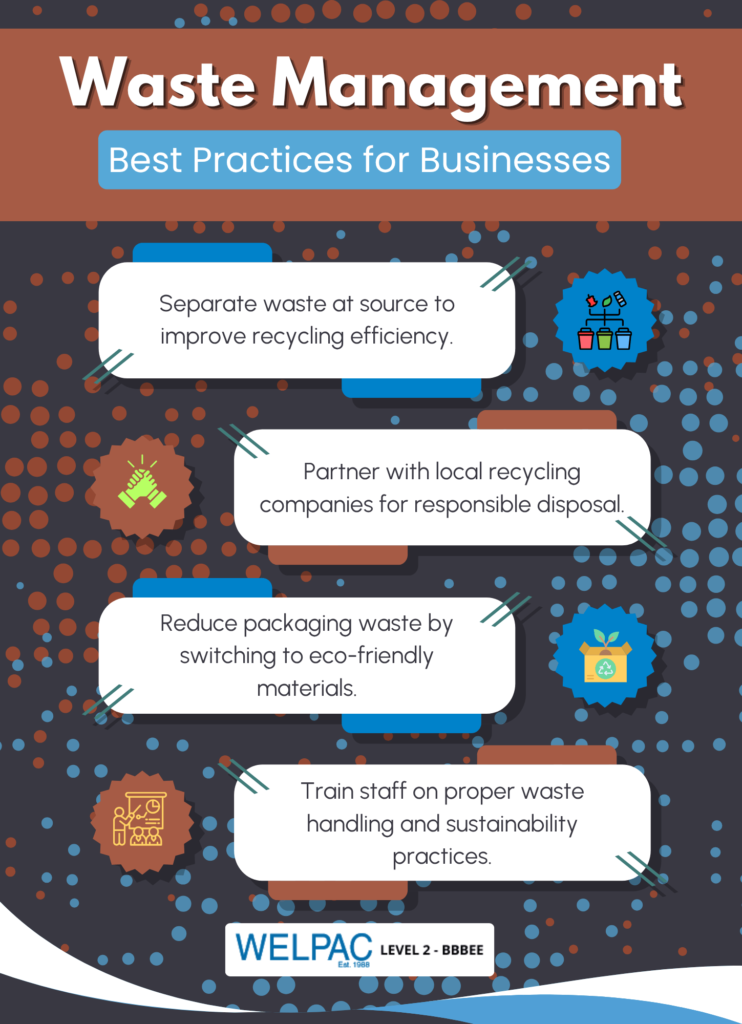
Waste Management Best Practices for Businesses
Best Fit: Who Benefits Most from Sustainable Packaging?
Sustainable packaging solutions are particularly valuable for:
- Food manufacturers and takeaway businesses
- Retail and e-commerce brands
- Agricultural producers
- Export-focused manufacturers
- Companies aiming to reduce their environmental footprint
If your business is looking to reduce environmental risk while improving brand trust, this shift is not optional — it’s essential.
Comparing Sustainable vs Traditional Packaging
| Feature | Traditional Packaging | Sustainable Packaging |
| Material Source | Fossil fuel-based | Renewable or recycled |
| Waste Outcome | Landfill-heavy | Recycle, reuse, or compost |
| Environmental Impact | High pollution levels | Reduced impact on the environment |
| Cost Over Time | Increasing due to regulations | More stable long-term |
| Brand Perception | Neutral or negative | Positive and future-focused |
While traditional materials like plastic and styrofoam may seem cost-effective initially, their long-term environmental and regulatory costs are significantly higher.
Why Choose Welpac for Sustainable Packaging?
We understand that transitioning to greener packaging requires more than just new products — it requires the right partner.
Here’s why businesses trust us:
1. Decades of Industry Experience
We’ve been a trusted packaging manufacturer and supplier since 1988.
2. Wide Product Range
From boxes and tapes to customised packaging materials, we offer comprehensive solutions.
3. Practical Expertise
We help businesses implement solutions that actually work in real-world conditions.
4. Reliable Supply
Our consistent availability ensures your operations never slow down.
5. Tailored Support
We guide you towards packaging options that match your exact needs.
You can explore our range of solutions directly on our website, including our specialised packaging products and materials tailored for different industries.
Supporting Your Sustainability Journey
Adopting sustainable packaging is not a one-time change — it’s an ongoing initiative. Businesses should aim to:
- Reduce their environmental impact step by step
- Reuse materials wherever possible
- Replace high-risk materials with environmentally-friendly alternatives
- Monitor packaging waste and disposal methods
This gradual approach helps balance cost, performance, and sustainability goals.
Building a Greener Supply Chain
Your packaging choices affect your entire supply chain. By choosing environmentally responsible materials, you:
- Reduce plastic waste
- Improve waste management outcomes
- Support recycling infrastructure
- Strengthen your brand’s commitment to sustainability
Sourcing from a reliable supplier ensures consistent quality and accountability throughout the process.
Frequently Asked Questions
What is the most cost-effective sustainable packaging option?
Recyclable cardboard and kraft-based packaging are often the most affordable and widely available.
Is biodegradable packaging always better?
Not necessarily — it depends on disposal conditions. Compostable packaging requires proper compost systems to be effective.
Can sustainable packaging replace plastic completely?
In many cases, yes — but some industries may still require specific plastic applications for durability or safety.
How can we start transitioning?
Begin by identifying high-waste areas and replacing them with eco-friendly packaging solutions gradually.
Conclusion
Sustainable packaging is no longer a future consideration — it’s a present-day responsibility. For manufacturers across South Africa, the shift towards environmentally responsible packaging is essential for long-term success, compliance, and customer trust.
At Welpac, we’re here to support that journey — offering reliable, high-quality packaging solutions that help businesses move towards sustainable operations without compromising efficiency.
If you’re ready to explore smarter, greener packaging options tailored to your business, we invite you to get in touch with our team and take the next step towards a more sustainable future.